
The Wax Argument: Preserving Identity During a Pivot
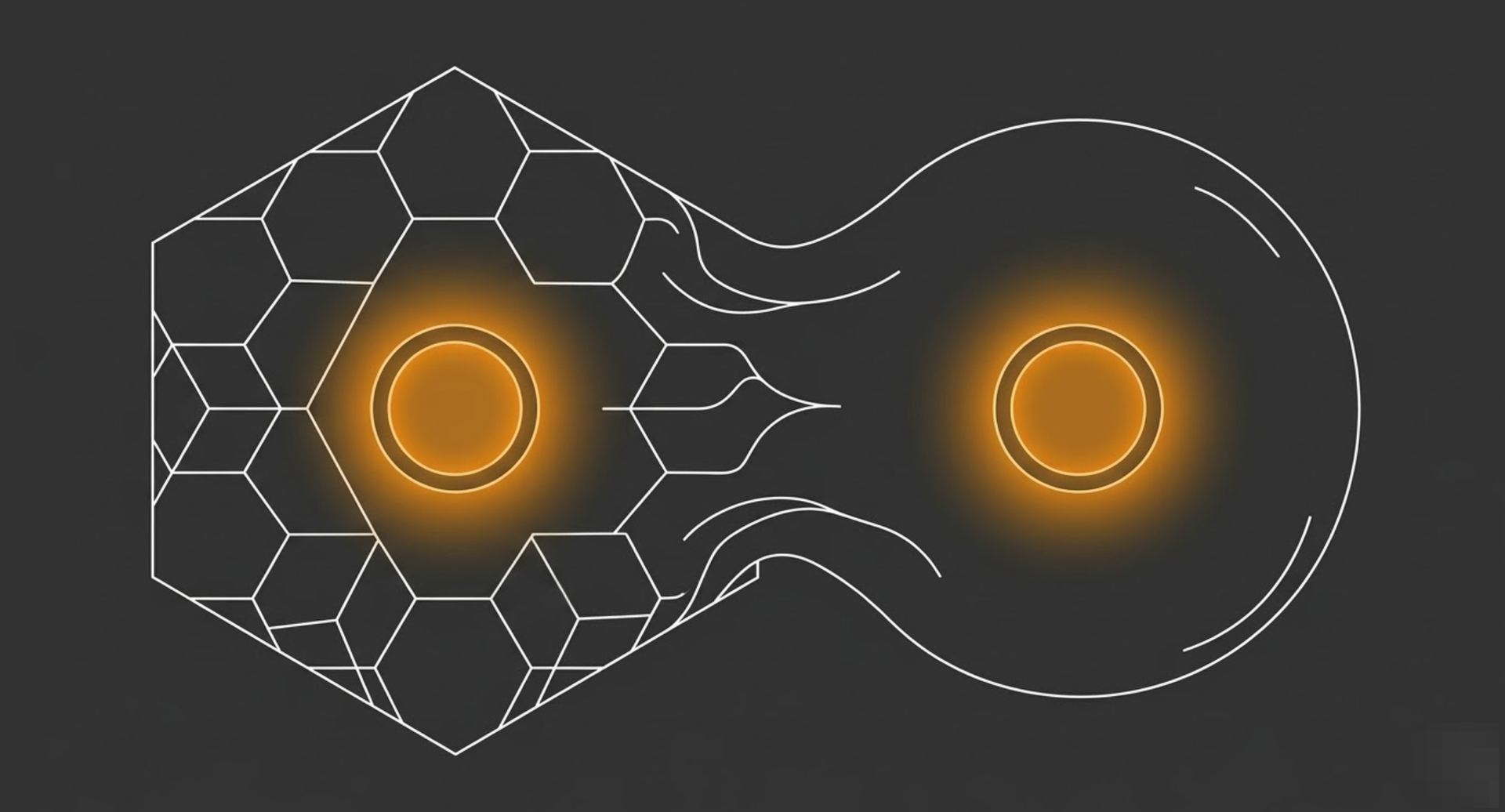
One of the most dangerous moments in a company’s lifecycle is the "Pivot."
The market shifts, a new technology like Generative AI emerges, or the original business model simply stops scaling. The executive team realizes they must completely melt down the current product line and build something entirely new.
Technically, pivoting is just a resource allocation problem. Culturally, it is an existential crisis.
When you tell a team of engineers, marketers, and salespeople that the product they have spent three years building is being retired, they feel like the company is dying. They lose their sense of purpose. They push back, actively resisting the change.
Why? Because human beings tend to confuse the physical shape of a thing with its actual identity.
To guide a company through a massive pivot without destroying its culture, the Chief Wise Officer must teach the organization the difference between shape and substance. To do this, we turn to René Descartes and his famous Wax Argument.
The Illusion of the Senses
In his Meditations, Descartes wanted to prove that our physical senses are easily deceived, and that true understanding comes from the intellect.
To illustrate this, he held up a piece of honeycomb fresh from the hive. He noted its specific physical properties: it felt hard, it smelled like honey, it tasted sweet, it was yellow, and if he tapped it with his finger, it made a sound. His senses told him, "This is what wax is."
Then, Descartes moved the honeycomb close to a fire.
The physical properties instantly changed. The smell vanished. The yellow color turned clear. The hard shape melted into a hot puddle. If he tapped it, it made no sound.
Every single physical characteristic that his senses had used to identify the wax was gone. Yet, his mind still knew, with absolute certainty, that it was the exact same piece of wax.
Descartes concluded that the identity of the wax was not defined by its temporary physical shape, its smell, or its color. Its identity was its underlying substance—its capacity to exist in different forms.
The Melted Product
Most companies identify themselves by the physical shape of their "unmelted wax."
If you asked an employee at Netflix in 2005 what their company did, they would have said, "We mail red DVD envelopes to people." The red envelope was the physical shape, the smell, and the color of the company.
If Netflix had identified its core substance as "mailing DVDs," the transition to digital streaming would have destroyed their culture. The physical product completely melted away. But Netflix understood the Wax Argument. Their true substance wasn't the DVD; it was "delivering entertainment to your living room." The wax just changed shape.
When a company struggles to pivot, it is almost always because the employees have tied their professional identities to the temporary shape of the product, rather than the core substance of the mission.
The CWO Strategy: Managing the Melt
The Chief Wise Officer ensures that when the fire gets close, the company knows exactly who it is.
1. Define the Substance Before the Fire Do not wait for a market crisis to figure out your company's core identity. You must explicitly define your "substance" while the product is still solid. Are you a "mobile app company," or are you a company that "reduces friction in personal finance"? If you are the former, a shift to AI voice assistants will kill you. If you are the latter, you simply pour your substance into the new AI mold.
2. Detach Culture from Features Celebrate the problem you are solving, not the code you have written. If the engineering team's pride is entirely wrapped up in a specific proprietary database they built, they will fight you when you try to migrate to a cheaper, faster cloud solution. Cultivate a culture that takes pride in the outcome (the substance), so that when the mechanism (the shape) is melted down, the pride remains intact.
3. Lead the Intellectual Leap During a pivot, the senses of the company will be screaming that everything is falling apart. Revenues might dip, the old software is deprecated, and the physical office might even change. The CWO must step in as the intellect. You must constantly communicate the Wax Argument to the team: "The shape of our daily work is melting, but our identity is exactly the same as it was yesterday. We are still the same wax."
Conclusion: The Capacity to Change
A fragile company is like a piece of glass. It holds its shape perfectly, but when the heat of the market changes, it shatters.
A resilient company is like Descartes' wax. It possesses an unshakeable inner substance that allows it to survive extreme transformations.
When the market forces you to abandon the product you love, do not panic. Let the physical shape melt. As long as you know your true substance, you can pour your company into any mold the future requires.
No spam, no sharing to third party. Only you and me.

Member discussion