
The Charioteer: Harmonizing the Enterprise
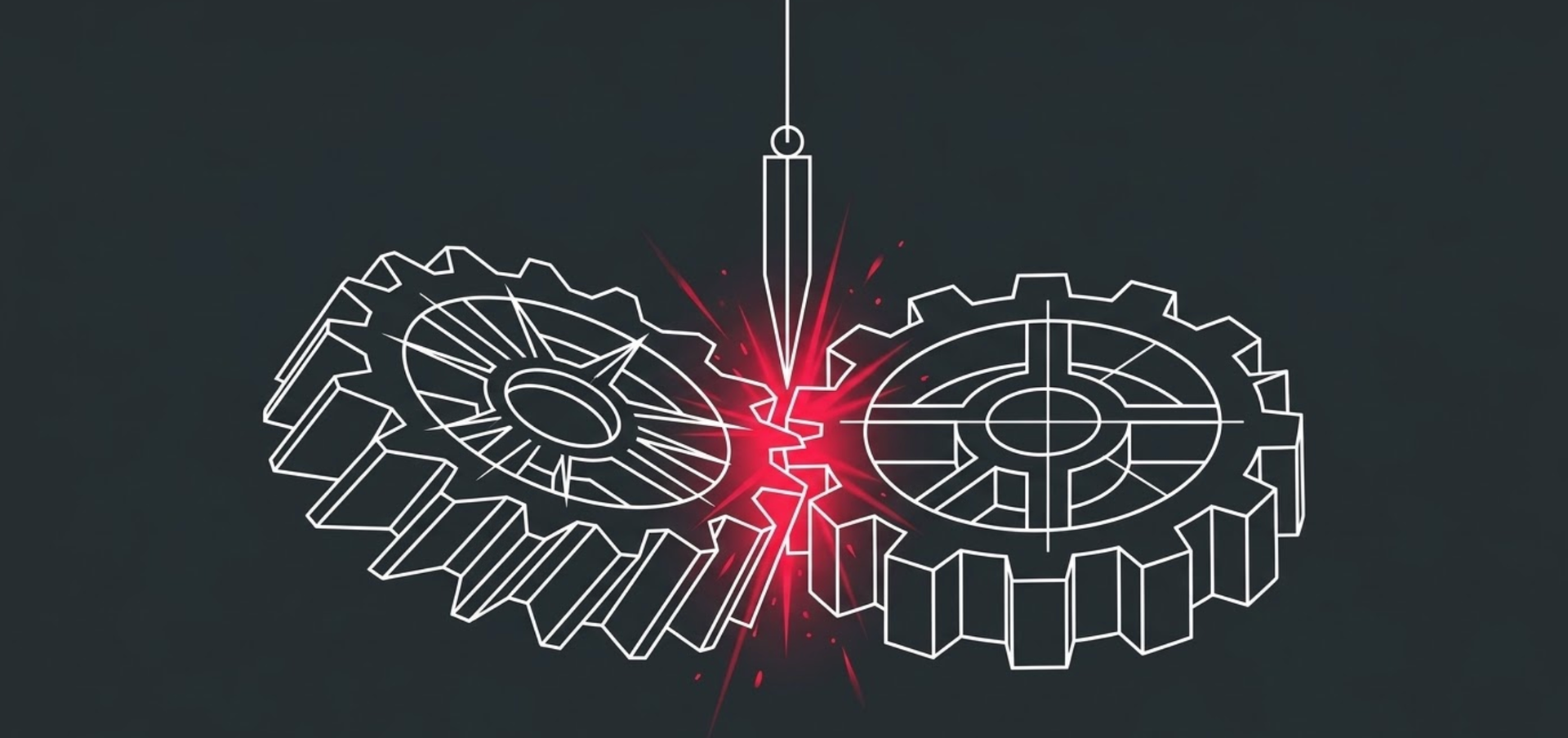
It is the final week of the quarter, and the executive team is deadlocked.
The VP of Sales is pushing to aggressively launch a new feature because it is the linchpin to closing a massive enterprise deal. The VP of Engineering is pushing to delay the launch by three weeks, arguing that the database architecture needs more load-testing before it can handle that specific client's traffic.
Sales accuses Engineering of moving too slowly and killing momentum. Engineering accuses Sales of being reckless and jeopardizing system stability. The CEO sits in the middle, exhausted, feeling like a referee in a never-ending turf war.
Most companies view this friction as a cultural dysfunction. They hold endless offsites and team-building workshops trying to make Sales think like Engineers, or Engineers think like Sales.
The Chief Wise Officer knows this is a fool’s errand. This tension is not a bug in your organizational design; it is the core engine of your company. To master it, we look to Plato’s Allegory of the Chariot.
The Two Horses of the Soul
In his dialogue Phaedrus, Plato describes the human soul as a chariot pulled by two massive, winged horses, guided by a single Charioteer.
- The First Horse: Noble, spirited, and driven by a desire for victory and glory. It wants to run fast and conquer.
- The Second Horse: Heavy, grounded, and driven by appetite and baseline needs. It is stubborn and resists being rushed.
- The Charioteer: Reason and Intellect. The driver holding the reins.
Plato explained that the Charioteer’s job is not to shoot one of the horses, nor is it to make the two horses act identical. If the Charioteer drops the reins, the horses will tear the chariot apart. But if the Charioteer can harness their opposing energies and steer them in the same direction, the chariot will achieve flight.
The Corporate Chariot
Every successful tech company is a Platonic chariot.
Your Go-To-Market team (Sales and Marketing) is the spirited horse. They are driven by quotas, market share, and victory. They want to run as fast as possible. If you let them drive the chariot, they will sell features that don't exist and drive the company right off a cliff of technical debt and churn.
Your R&D team (Engineering and Product) is the grounded horse. They are driven by craft, stability, and logic. They want to ensure the infrastructure is perfectly secure. If you let them drive the chariot, they will spend three years building a beautiful, flawless cathedral that completely misses the market window.
The CEO and the executive team are the Charioteer. Your job is not to eliminate the tension between Growth and Craft. Your job is to grip the reins and harness it.
The CWO Strategy: Driving the Tension
The Chief Wise Officer actively curates the tension between these departments, using it to create a perfectly balanced, high-velocity organization.
1. Stop Seeking Consensus (Hold the Reins) Consensus is the enemy of momentum. If you force Sales and Engineering into a room and refuse to leave until everyone "agrees," you will end up with a watered-down, mediocre compromise. The Charioteer does not ask the horses for consensus. The CWO listens to the aggressive push of Sales, listens to the structural warnings of Engineering, and then makes a decisive, calculated executive call.
2. Cultivate Mutual Respect, Not Mutual Thinking You do not want your top engineers worrying about commission structures, and you do not want your Account Executives worrying about AWS server costs. Let them specialize. However, the CWO must enforce profound mutual respect. Sales must understand that Engineering’s "no" is protecting the company from a catastrophic outage. Engineering must understand that Sales’ "urgency" is what pays for the server space. They don't have to agree, but they must respect the function of the other horse.
3. Steer Toward the North Star Horses only pull together when they are looking at the exact same destination. When Sales and Engineering are fighting, it is almost always because the company’s strategic goals are blurred. Is the goal of Q3 to "capture market share" or to "achieve 99.99% uptime"? If you haven't clearly defined the destination, the horses will naturally pull in their own preferred directions. The Charioteer dictates the destination; the horses provide the power to get there.
Conclusion: The Illusion of Peace
A tech company with zero internal friction is usually a dying company.
If Sales and Engineering are never arguing, it means one side has completely surrendered, or neither side cares enough to fight for excellence.
Do not fear the tension. Celebrate the fact that you have incredibly driven, passionate teams pulling at the reins. Grab hold of them, establish a crystal-clear destination, and use that immense, opposing power to drive your company forward.
No spam, no sharing to third party. Only you and me.




Member discussion